
Logo X-Fleet
Logo X-Industry
Logo X-Data

Let’s Talk

Logo X-Data

DATA · CALCULATION · AUTOMATION

The data infrastructure connecting our applications.

The data infrastructure connecting our applications.

XData is the technology foundation behind XFleet and XIndustry. It brings together data sources, calculation engines, automation and traceability to develop energy efficiency applications and software for third parties.

Curva de carga eléctrica con previsión en la plataforma X-Data
Analista con portátil e indicadores de datos energéticos
1.6 M+
tonnes of CO₂ emissions avoided
100%
ENAC-accredited verification
Analista con portátil e indicadores de datos energéticos
1.6 M+
tonnes of CO₂ emissions avoided
100%
ENAC-accredited verification

SERVICES

A shared foundation to integrate data, apply calculation methods and support workflows in XFleet, XIndustry and new products.

Analista trabajando con paneles de datos energéticos en un portátil

Shared infrastructure

Carbon footprint calculation

Calculation

Data extraction

TECHNOLOGY FOUNDATION

One shared engine for our applications

XFleet and XIndustry share data sources, calculation logic and automation. This foundation enables capabilities to be reused and solutions to be developed for each activity.

Paneles de certificación de flota, cribado térmico y previsión de ingresos CAE
Certification of your fleet
certified
90 out of 300 vehicles
Certificate · 3CI-00000608
Certificate · 3CI-00000610
In progress
88 vehicles in process
Certification funnel
Total fleet
With telematics
Sufficient data
Verified savings
Certificate
Thermal screens in greenhouses
Calculate
Estimated CAE income
According to the agreement of each file

CARBON FOOTPRINT CALCULATION

Data for energy and emissions analysis

Connect operational and energy information to support analysis in the applications. Scope and methodology are defined according to available data and the purpose of each calculation.

Panel de emisiones de combustible de la flota
Your fleet’s fuel emits in two stages
State carbon footprint registry, offsetting and absorption projects.
Diesel A refueled by the fleet
4,657,889 liters
Well-to-tank factor · DEFRA
0.61 kg CO₂e/liter
Category 3.3 emissions
Full footprint of fleet diesel
Intensity Aug 26 vs. Jan 26: −3.3% · Target: −8.0%
Scope 1 · Combustion
Scope 3 · Well-to-tank
The upstream phase adds 22.8% to combustion emissions. Together they account for 96.6% of the company’s total footprint: every liter the fleet avoids consuming reduces both scopes.

CALCULATION

Traceable calculation engines

Calculation logic links input data, the applied method and the result. In CAE workflows, the methodology must meet the requirements of the relevant measure.

Sellos MITECO de huella de carbono: cálculo, reducción y compensación
MITECO labels
State carbon footprint registry, offsetting and absorption projects.
“Calculo” label
Achieved 2025
2025 carbon footprint calculated and registered with MITECO
“Reduzco” label
In progress
Intensity Aug 26 vs. Jan 26: −3.3% · Target: −8.0%
“Compenso” label
Not started
Emissions offsetting not yet contracted

DATA EXTRACTION

Data and document automation

Workflows organise the data and documents required by each application. Automation reduces repetitive tasks while retaining technical review where it is needed.
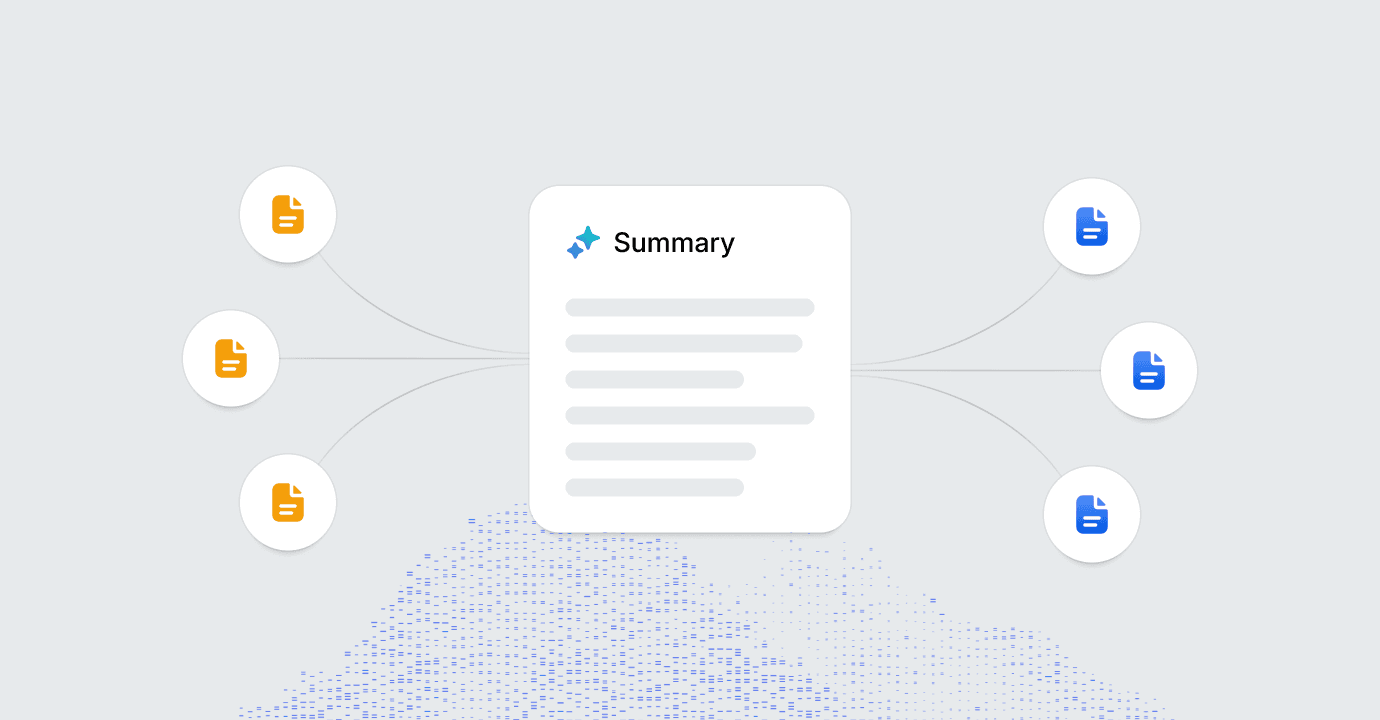
Ilustración de un resumen generado a partir de varios documentos
Summary

METHODOLOGY

Work cycle, phase by phase.

PHASE 1

Onboarding and data model

We define the use case, available sources and relationships between data. This shared foundation supports XFleet, XIndustry and agreed developments for third parties.

We define the use case, available sources and relationships between data. This shared foundation supports XFleet, XIndustry and agreed developments for third parties.

PHASE 2

Documentary integration

We organise incoming data and documents by source and format. Integration is defined around existing systems and the needs of each project.

We organise incoming data and documents by source and format. Integration is defined around existing systems and the needs of each project.

PHASE 3

Assisted instruction

Calculation engines and automation turn data into usable information. For CAE use cases, that information supports preparation of the application file.

Calculation engines and automation turn data into usable information. For CAE use cases, that information supports preparation of the application file.

PHASE 4

Quality control

We check consistency between sources, calculations and results. Issues are reviewed before the information is used in an application or a file.

We check consistency between sources, calculations and results. Issues are reviewed before the information is used in an application or a file.

PHASE 5

Processing and traceability

We link results to their source data and processing steps. Teams can follow how information was produced and review the supporting evidence.

We link results to their source data and processing steps. Teams can follow how information was produced and review the supporting evidence.

PHASE 6

Closure and learning

We review how the solution works with the responsible team and identify improvements. Experience from each application guides the evolution of the shared infrastructure.

We review how the solution works with the responsible team and identify improvements. Experience from each application guides the evolution of the shared infrastructure.

DIFFERENTIALS

What makes us different?

A foundation shared by two applications

XFleet and XIndustry use the same technology infrastructure for data, calculations and automation.

Software shaped around the use case

Scope is defined with each organisation, based on its data sources, processes and users.

Purpose-Built for Energy Efficiency

The infrastructure addresses specific energy, savings and traceability needs in transport and industry.

Development informed by real use

Application needs guide improvements to data models and workflows.

Instalación industrial con conductos amarillos

Connected methods and results

Traceability helps review how each result is produced and assess the changes needed when a methodology evolves.

APPLICATION CASES

Where division comes into play.

Obligated Subjects

Obligated Subjects

A foundation for organising CAE application data, documents and evidence. Software scope is defined around the team’s workflow.

Firma de documentación

Marketers

Marketers

Bring energy information and documentation into shared workflows, connecting customer relationships with technical analysis.

Revisión y firma de documentos

Financial institutions

Financial institutions

Structure efficiency-project data and evidence to support technical review. Financial assessment retains its own criteria and decision-makers.

Edificio institucional de estilo clásico: administración pública

Large industrial and fleet operators

Large industrial and fleet operators

Share a data foundation across facilities and fleets to support XIndustry, XFleet and new developments tailored to the organisation.

Fachada de un edificio de oficinas

XDATA · INTEGRATION AND AUTOMATION

Connect the next step for your business.

Integrate your data sources and define the calculations and automations your team needs.

Let’s talk about your project

Data sources, calculation engines and workflows. We review the integration scope and your organisation’s needs with you.

Request a technical discussion

FREQUENTLY ASKED QUESTIONS

Common technical questions.

Does AI replace the engineer in the file instruction?

No. Automation helps organise data and reduce repetitive work. Reviewing assumptions, technical interpretation and validating the file remain the responsibility of the relevant professionals.

How is the traceability of the calculation against ENAC guaranteed?

Traceability connects results to source data, the method used and process evidence. This supports technical review; the sufficiency of documentation is assessed for each file and does not imply automatic acceptance.

Where is the data stored?

Before providing data, request the service-specific information on hosting, providers, access and retention. Location and processing conditions should be checked in the relevant contractual and data protection documentation.

Is it interoperable with the customer's ERP or BMS?

Integrations are assessed using the interfaces and formats available in each ERP, BMS or other source. Scope, exchanged data and update frequency are agreed before developing the connection.

CONTACT

Let’s talk about your data and processes.

Tell us which systems you use, what information you need to connect and which work you want to automate. Together, we will define the scope of a solution.

Let’s Talk

Emblema X de Certex con imagen de maquinaria agrícola

A regulatory technology platform for energy efficiency and corporate decarbonization. End-to-end CAE origination, carbon footprint and CSRD/ESG reporting on one data layer.

© 2026 Certex Innova, S.L. All rights reserved.

A regulatory technology platform for energy efficiency and corporate decarbonization. End-to-end CAE origination, carbon footprint and CSRD/ESG reporting on one data layer.

© 2026 Certex Innova, S.L. All rights reserved.

A regulatory technology platform for energy efficiency and corporate decarbonization. End-to-end CAE origination, carbon footprint and CSRD/ESG reporting on one data layer.

© 2026 Certex Innova, S.L. All rights reserved.

A regulatory technology platform for energy efficiency and corporate decarbonization. End-to-end CAE origination, carbon footprint and CSRD/ESG reporting on one data layer.

© 2026 Certex Innova, S.L. All rights reserved.
